



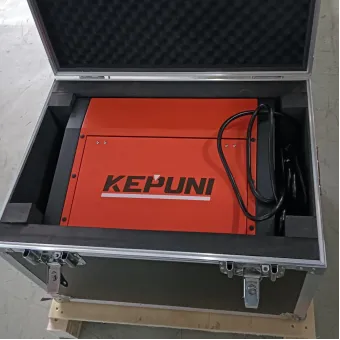
1. Mantenimiento diario
Limpieza y secado
1.、Cleaning the Equipment: Keeping the welding machine's exterior and internal components clean is crucial. Long-term accumulation of dust and oil can impair the equipment's heat dissipation, interfere with the proper functioning of electrical components, and even cause malfunctions such as short circuits. Regularly cleaning the equipment thoroughly with dry compressed air can effectively prevent dust and oil accumulation.2.、Dry Storage: The welding machine should be stored in a dry environment, away from moisture. Humid environments can easily cause rust and corrosion on the equipment's internal metal components, leading to reduced insulation performance of electrical components, increased risk of equipment failure, and impacted normal operation.
Inspección y apriete
1、Electrical Inspection: Regularly and carefully inspect the welding power supply and electrical components. Poor contact between components is a common cause of equipment failure, potentially preventing the equipment from starting properly, causing unstable welding parameters, and even damaging the equipment in severe cases. Therefore, promptly identifying and addressing poor contact issues can effectively prevent equipment damage.2、Screw Tightening: Check and tighten all screws at the connection points to ensure stable equipment operation. Vibration during operation can cause screws to loosen, compromising the stability of component connections and leading to equipment failure. Regularly tightening screws can effectively prevent these problems.
Mantenimiento del sistema de refrigeración
1、Torch Protection: Pay close attention to the operation of the torch cooling and self-protection systems. Since the welding process generates significant heat, a failure in the cooling system could damage the torch due to high temperatures, affecting welding performance. Therefore, ensuring the proper functioning of the cooling system is crucial for torch protection.2、Coolant Management: Regularly check the coolant level in the power supply tank. Insufficient coolant can impair cooling efficiency and cause equipment overheating. Ensure the coolant level is at least three-quarters full. It is also recommended to replace the coolant quarterly to ensure cleanliness and performance, extending the life of the equipment.
2. Mantenimiento regular
Limpieza Profunda
1. Eliminación interna de polvo: cuando el equipo esté polvoriento, retire con cuidado las cubiertas superior y lateral de la fuente de alimentación de control integrado y use aire comprimido seco para eliminar el polvo acumulado dentro de la fuente de alimentación.
Limpieza de componentes de precisión: los componentes de precisión, como los electrodos y las placas de circuito, requieren altos niveles de limpieza y deben limpiarse con una aspiradora. El uso de una aspiradora evita daños por contacto directo o herramientas de limpieza inadecuadas, lo que garantiza el funcionamiento adecuado de los componentes.
Inspección y reemplazo de componentes
1、Consumable Parts Inspection: Regularly inspect consumable parts, such as nozzles, for maintenance. These parts may wear or become damaged over time. Failure to promptly replace these parts can affect the equipment's performance and reduce welding quality. Therefore, worn or damaged consumable parts should be promptly replaced based on actual usage.2、Use of Original Parts: When replacing parts, always use original parts. Original parts are compatible with the equipment and ensure performance and safety. Using non-original parts may lead to frequent equipment failures and even safety incidents.
Inspección Del Sistema Eléctrico
1、Wiring Inspection: Regularly inspect power wiring connections to ensure they are secure and free of loose connections. Loose connections can lead to unstable power supply, affect welding parameter accuracy, and even cause serious consequences such as electrical fires. Therefore, promptly identifying and tightening loose connections is crucial.2、Abnormality Troubleshooting: Inspect the integrated control power supply and surrounding area for unusual odors, discoloration, or signs of heat. Also, check for loose internal connections. Unusual odors, discoloration, or heat may indicate a fault in the equipment, such as a short circuit or overload. Promptly identifying and addressing these abnormalities can prevent further malfunctions and ensure safe equipment operation.
3. Precauciones
Operación segura
Protección de puesta a tierra: la carcasa de la máquina de soldar debe estar conectada a tierra de manera confiable. Esta es una medida crucial para prevenir peligros durante el funcionamiento del equipo. La puesta a tierra evita eficazmente fugas de descargas eléctricas, lo que garantiza la seguridad del operario. Operación de apagado: al realizar mantenimiento y reparaciones, asegúrese de que la máquina esté apagada y desenchufada, lo que permite tiempo suficiente para que los condensadores se descarguen por completo. Mantenimiento profesional: El equipo de soldadura automática de tuberías es una máquina de soldadura de alta precisión con una estructura compleja y altos requisitos técnicos. El funcionamiento rudo está estrictamente prohibido. El mantenimiento y el servicio deben ser realizados por personal calificado para garantizar la seguridad y el rendimiento del equipo.
4. Registros y planes
1. Establecer registros de mantenimiento: Mantenga registros detallados de mantenimiento del equipo, documentando el tiempo, el contenido y los resultados de cada sesión de mantenimiento. Esto le ayuda a comprender el historial de mantenimiento y el estado operativo del equipo, proporcionando una base valiosa para el mantenimiento y la gestión del equipo. Le permite identificar rápidamente posibles problemas con el equipo e implementar de manera proactiva medidas preventivas.2. Desarrollar un plan de mantenimiento: Desarrolle un plan de mantenimiento regular y científicamente sólido para garantizar un mantenimiento oportuno y completo del equipo. El mantenimiento regular puede prevenir eficazmente fallas en los equipos, prolongar la vida útil del equipo y reducir los costos de reparación.